
How to Spot a Roof Leak Before It Reaches Your Ceiling
By The Roof Repair Geelong Team · 30 June 2026 · how to
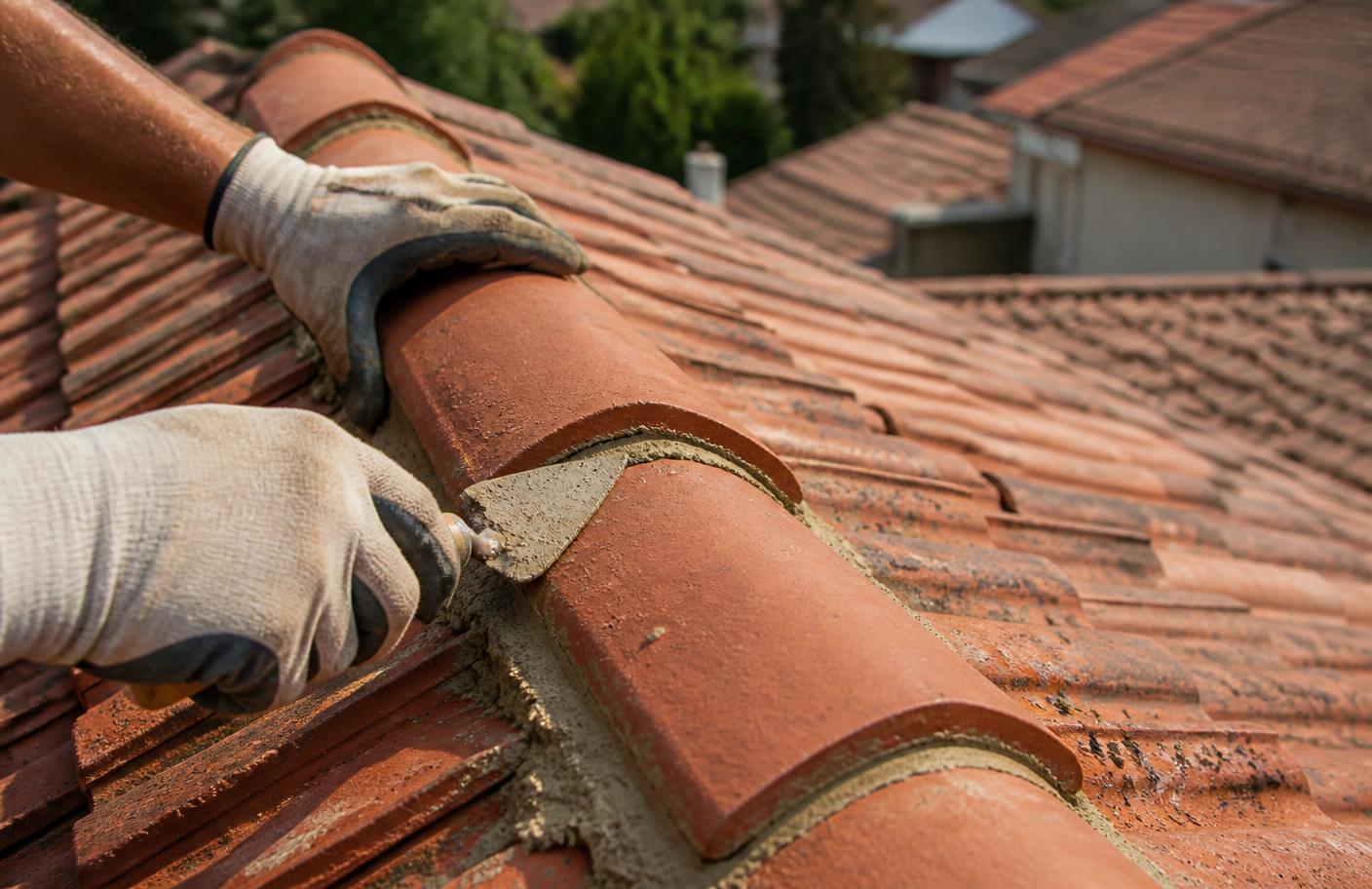
By the time a ceiling stains, water has usually been getting in for months. Here are the earlier signals, all of which you can check without climbing anything.
Water rarely announces itself the moment it gets in. It soaks into sarking, runs along a batten, follows a rafter and drops somewhere entirely unrelated to the actual hole. The ceiling stain is the last stage of a process that usually started a season or two earlier.
Start in the roof space, not on the roof
The safest place to look for early leak evidence is inside. On a dry day, take a torch into the roof cavity and look at the underside of the sarking and the timber. Dark tide marks, white mineral staining on the timber, or patches where dust has washed clean all indicate water movement. Note where they are relative to a wall or a chimney so you can describe the location later.
Check the same space after heavy rain
An hour after a solid downpour, go back up with the torch. Actively wet timber, a drip forming on a nail point, or damp insulation tells you the leak is live rather than historical. This one check gives a roofer more useful information than almost anything you can report from the ground.
Look for daylight
With the roof space light off in the middle of the day, look for pinpoints of daylight. Where light gets in, water can too. Pinholes around a penetration or along a valley are particularly telling.
Smell matters
A persistent musty smell in a hallway, a built-in wardrobe or an upstairs room is a common early sign of moisture in a wall or ceiling cavity. It often arrives before any visible stain.
Why Geelong leaks so often start at the edges
Most leaks on Geelong roofs do not start in the middle of a plane, they start at a junction: a valley, a flashing around a chimney or skylight, a ridge line, or a cut edge on a metal sheet. Salt carried inland off Corio Bay accelerates corrosion at exactly these points, because cut edges and fixings are where the protective coating on metal roofing is weakest to begin with. On tiled roofs, the bedding and pointing along ridges and hips is the first thing to fail under the cycle of hard summer UV followed by damp winters, long before the tiles themselves show any obvious wear. Knowing this changes where you should look first: the middle of a roof plane is rarely where an early leak begins.
Seasonal timing tells you something too
A leak that only appears during heavy, wind-driven rain from one direction often points to a flashing or valley that is failing under pressure rather than a straightforward gap. A leak that appears every winter and dries up by mid-summer can point to condensation forming on the underside of metal roofing rather than a leak at all, which is a different problem with a different fix. A leak that follows storm season specifically, arriving after high winds rather than steady rain, usually means something has physically lifted or shifted — a ridge cap, a sheet edge, a section of flashing — and needs to be reset or replaced rather than simply resealed.
Different roof types show early trouble differently
What counts as an early warning sign depends on what the roof is made of. On concrete tile, common through postwar homes in Belmont, Thomson and East Geelong, the first sign is often moss or lichen establishing on the south-facing, shaded planes, which holds moisture against a surface that is porous by nature and accelerates its breakdown. On older terracotta through Geelong West and Newtown, watch the mortar bedding along ridges and hips for hairline cracking and small gaps rather than the tiles themselves, since the pointing generally fails well before the tile does. On Colorbond and other metal roofing, the earliest sign is usually a fine line of surface rust at a cut edge, around a screw fixing, or where two sheets overlap, and left alone this spreads steadily rather than staying contained.
What a storm changes about all of this
After any significant wind event, the checks above become more urgent rather than optional. Wind does not need to remove a whole sheet or tile to cause a leak — it only needs to lift an edge enough to let wind-driven rain track underneath on the next wet day. A roof that showed no signs before a storm can develop a leak within days of one, which is why a walk around the perimeter and a look inside the roof space after any serious wind is worth doing even if nothing seems obviously wrong from the street.
Watch the gutters from the ground
Overflow in ordinary rain is not normal. Water spilling behind a gutter runs down the fascia and into the eaves, and that damage stays hidden until the eaves lining marks. Grey mortar fragments sitting in the gutter are another clear signal: that is your ridge pointing breaking down and washing off.
Walk the perimeter after a storm
From the ground, look along the roof line for tiles sitting proud, slipped or missing, ridge caps that look out of alignment, and any sheet metal lifting at an edge. Binoculars are genuinely useful here. Photograph anything that looks wrong, with the date, because that record is valuable if you later need to document storm damage.
Watch the walls, not just the ceilings
Bubbling paint, a chalky deposit on brickwork or a damp patch high on an internal wall can all point to water entering at roof level and tracking down rather than dripping straight through.
What not to do
Do not climb onto the roof. Falls from height are a leading cause of serious injury around Australian homes, and tiles that have gone brittle from decades of Geelong summers break under foot without warning. Everything above can be done from inside the roof space or from the ground.
What to do next
Keeping a useful record before you call
A short, dated record makes a real difference to how quickly a leak gets diagnosed once someone is on site. Note the date and conditions when you saw the stain, drip or smell, whether it was during rain or afterwards, and roughly where inside the house it appeared relative to the nearest external wall or chimney. Photographs from inside the roof space, even blurry ones taken quickly with a torch, are genuinely useful. None of this replaces a proper inspection, but it means the roofer is not starting from zero and can often narrow down the likely source before they are even on the roof.
Why acting early costs less in disruption, not just repair
A leak caught at the roof-space stage is a roofing job. A leak left until it reaches the ceiling becomes a roofing job plus plasterboard, insulation replacement, repainting and sometimes electrical checks if wiring in the ceiling cavity has been affected. None of that extra work happens because the roof problem got bigger — it happens because water was allowed to keep tracking through the house for longer. Catching the signs early, from inside the roof space or from the ground, is what keeps the fix contained to the roof itself.
If you have found any of these signs, book an inspection while the problem is still roofing work rather than plaster, insulation and paint work as well. We inspect free anywhere across Geelong, photograph what we find, and quote a fixed price for exactly what needs doing.
Frequently Asked Questions
Is it safe to go into my roof space to check for leaks?
Generally yes, if you move only on the ceiling joists or a boarded walkway, use a torch and have someone know you are up there. Never step between joists onto the plaster. If access is awkward or the space is cramped, leave it to us during the inspection.
Why is my ceiling stain not directly under the hole in the roof?
Water travels. It runs along sarking, battens and rafters before it finds a low point to drop from, so the internal stain can be metres away from the actual entry point. This is why leaks are traced rather than guessed at.
Can a leak stop on its own?
It can appear to. Wind direction, rain intensity and how saturated the roof is all affect whether water gets through on a given day. A leak that comes and goes is still a leak and usually gets worse.
How quickly should I act on a small leak?
Promptly. Roofing work is the cheapest part of the repair. Once water has reached insulation, plaster and cornices, you are paying for other trades as well.