Tile Roof or Metal Roof: What Suits a Geelong Home
By The Roof Repair Geelong Team · 11 August 2026 · comparison
Weight, noise, coastal corrosion, heat and appearance all shift the answer. A straight comparison for Geelong homeowners facing a re-roof decision.
When a roof reaches replacement, the choice between tile and metal comes up immediately. Neither is universally better. The right answer depends on the house, the location and what you care about.
Weight and structure
Tile is heavy; metal sheeting is light. If a home was built for tile, either can generally work. If it was built for sheeting, adding tile means checking the structure can take the load. Going from tile to metal is usually the simpler direction, though the batten system still has to suit sheeting.
Coastal corrosion
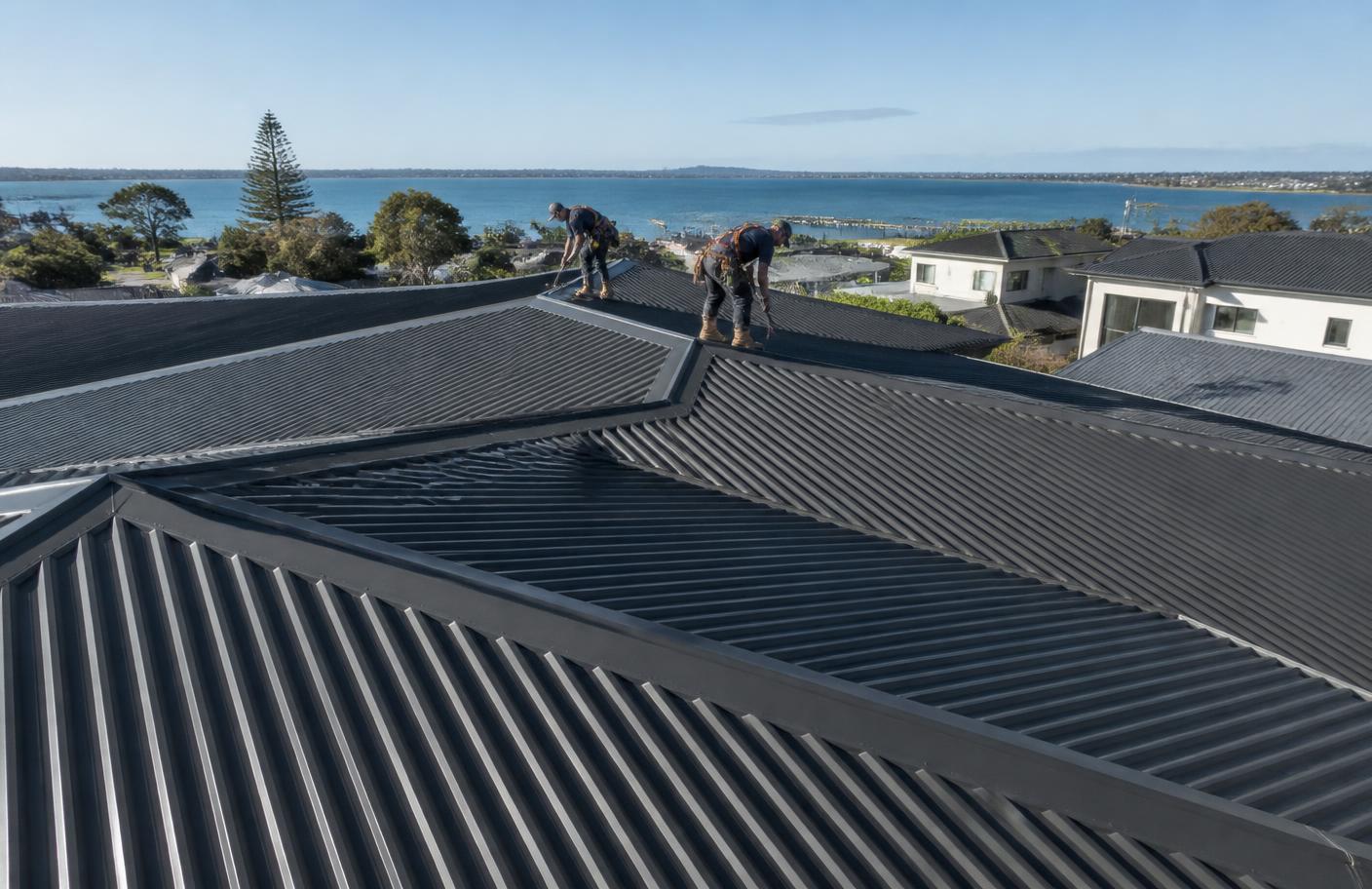
This matters in Geelong. Metal roofing near the bay needs the right coating specification and careful treatment of cut edges, fixings and flashings, because salt attacks those points first. Tile does not corrode, but the steel valley irons and flashings underneath a tile roof absolutely do, so tile is not immune — the vulnerable parts are just less visible.
Noise
Metal roofs are louder in heavy rain and hail unless properly insulated and sarked. Some people like the sound; some find it intolerable in a bedroom. Insulation and blanket underlay reduce it considerably, and this should be specified rather than assumed.
Heat
Tile has more thermal mass and holds heat longer. Light-coloured metal reflects more and cools faster in the evening. Insulation in the ceiling space matters more than the roof material for indoor comfort, but the difference is noticeable in an uninsulated roof space.
Appearance and streetscape
On an Edwardian or interwar home in Geelong West or Newtown, a terracotta or profiled tile roof usually suits the house and the street. On postwar and later homes, metal is often a natural fit. Some heritage overlays and planning controls restrict what can be used, and that needs checking before anything is ordered.
Maintenance profile
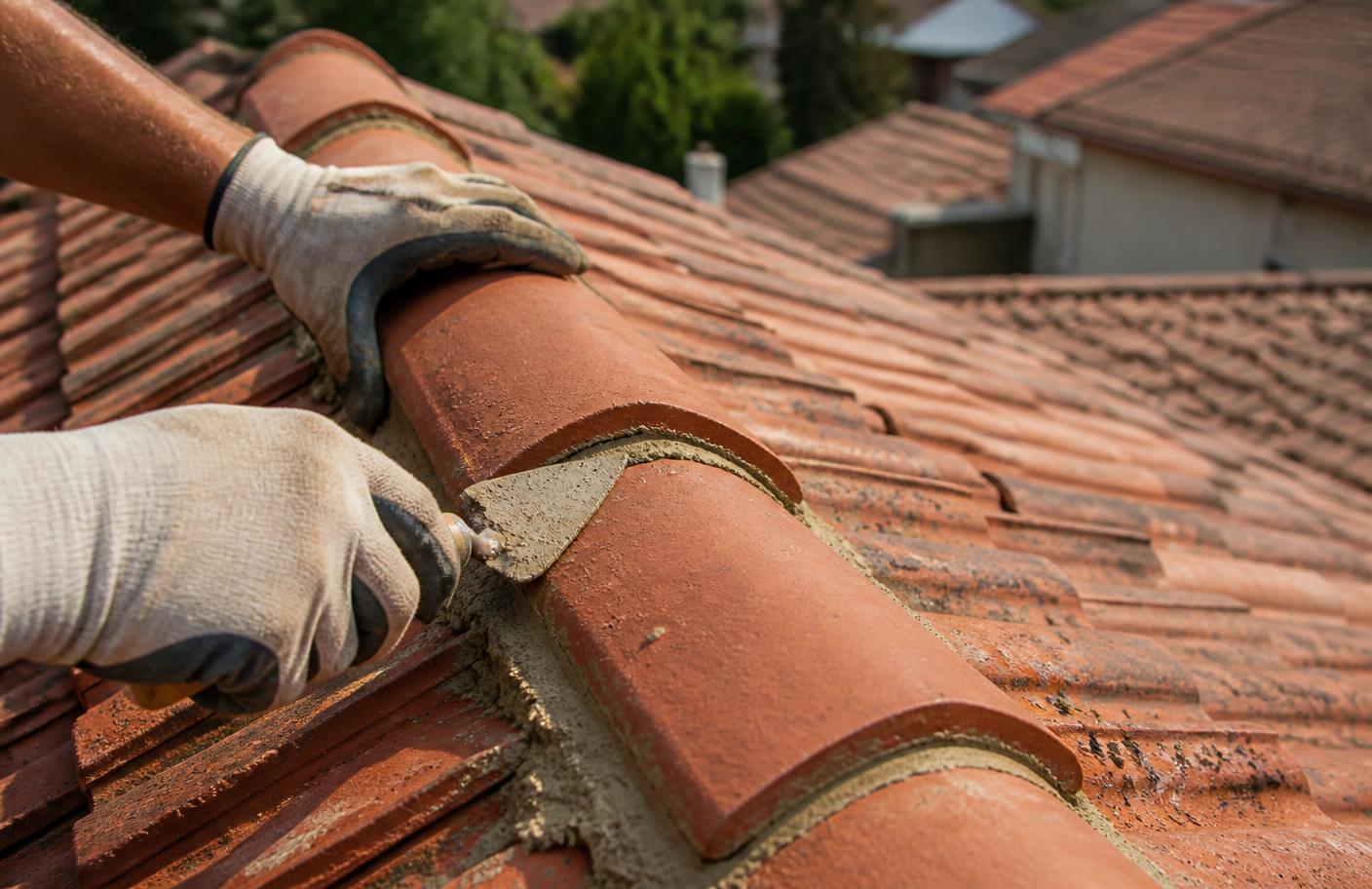
Tile roofs need periodic attention to bedding, pointing, valleys and individual broken tiles. Metal roofs need attention to fixings, washers, flashings and cut edges. Neither is maintenance free. The difference is what you will be maintaining.
Repairability
A single cracked tile can be swapped out cheaply if the profile is available. Discontinued profiles complicate that. Metal sheets are generally available but replacing one in the middle of a run means working around the sheets each side.
How to decide
Start with the structure, then the location, then the appearance. If your home is close to the bay, the coating specification on metal matters more than the choice itself. If your home is heritage-sensitive, that narrows the options early. If noise is a concern for you, specify the underlay before you sign anything.
How Geelong's specific climate factors weigh on the decision
Corio Bay puts a genuine salt load into the air across a wide band of Geelong's suburbs, and that salt is the single biggest climate factor in a tile versus metal decision here. It attacks unprotected steel first, which is why metal roofing near Rippleside, Drumcondra and the western beaches needs a coating specification rated for a marine or near-marine environment, along with careful detailing at cut edges and fixing points where the protective coating is most easily compromised. Further inland toward Highton, Grovedale and Waurn Ponds the salt exposure eases, and the decision leans more heavily on the other factors — thermal comfort, noise, appearance and upfront structural suitability — rather than corrosion risk alone. Hard summer UV affects both materials differently: it fades tile colour coatings over time and it stresses paint and coating systems on metal, so either choice benefits from a quality-rated finish rather than the cheapest available option.
Hail and storm resilience
Geelong's storm season brings periodic hail, and the two materials respond differently. A quality concrete or terracotta tile generally resists hail well, though older or already-weakened tiles can crack under a severe hit. Metal roofing can dent under large hail, which is mostly cosmetic on a Colorbond profile but can be more noticeable on lighter gauge sheeting, and repeated denting at the same spot can eventually compromise the coating there. Neither material is immune, and the practical difference tends to be more about repair method than about which survives better — a dented sheet is not really repairable in place, while a cracked tile usually is.
Housing stock patterns across Geelong
The choice is also shaped by what is already on the roof and what a streetscape expects. Edwardian and Federation homes through Geelong West and Newtown were almost always built for terracotta or an early profiled tile, and the roof pitch and batten spacing generally suit tile rather than sheeting. Postwar homes across East Geelong, Belmont and Thomson were built in large numbers with concrete tile as standard, at a lower pitch than the older terracotta homes, which still works for tile but also converts reasonably well to metal if that is the preferred direction at replacement time. Newer builds and many rural and semi-rural properties around Geelong's outer suburbs are overwhelmingly built for lightweight metal roofing from the start, with a structure and pitch designed around that lighter load.
What we inspect before recommending a material
- Roof pitch and structural capacity, to confirm what loads the trusses and battens were designed to carry
- Existing batten spacing and condition, since converting between materials sometimes needs batten changes
- Proximity to the bay and general salt exposure, which drives the coating specification for any metal work
- Heritage overlay or streetscape considerations that may restrict material choice on older homes
- Current insulation and sarking, since these affect both noise and thermal performance regardless of material chosen
Long-term maintenance comparison in practice
Over a normal service life, a tile roof in Geelong will typically need ridge repointing at least once, occasional broken tile replacement, and eventually a restoration or recoat to keep the surface weatherproof. A metal roof will typically need fixing and washer replacement as the neoprene seals age, cut edge treatment where corrosion starts, and eventual recoating or replacement once the protective coating is worn through in enough places. Neither schedule is dramatically cheaper or more disruptive than the other over the full life of the roof — the practical difference is more about what specific work needs to happen and when, which is worth understanding before making the choice rather than after.
A quick way to frame the decision
If your home is close to the bay, prioritise the coating specification on any metal work above the material choice itself. If your home sits on a heritage-sensitive street, expect that to narrow your options early, often toward tile. If noise or thermal comfort in a specific room matters to you, ask for the insulation and underlay to be specified in writing rather than assumed, since that detail affects comfort more than the base material does. None of this replaces an on-site look at your particular roof, structure and location, which is the only way to give a recommendation that actually fits your house.
A written quote should also specify the coating warranty and fixing type used, so there is a clear record of what was installed and what protection it carries.
Ask about expected lifespan for the specific product and coating grade quoted, not just the material category, since performance varies noticeably between grades within both tile and metal.
We quote both, and we will tell you honestly which one suits your particular house rather than which one we would rather install.
Frequently Asked Questions
Is a metal roof noisy in the rain?
It is louder than tile, but a properly sarked and insulated metal roof with blanket underlay is far quieter than an uninsulated one. Specify the underlay in the quote if noise concerns you.
Can I replace my tile roof with metal?
Usually yes, and it reduces the load on the structure. The batten system has to suit sheeting and any heritage or planning restrictions need checking first.
Does a tile roof avoid corrosion problems near the bay?
The tiles themselves do not corrode, but the valley irons, flashings and fixings underneath are steel and absolutely do. Coastal tile roofs still need those components checked.
Which lasts longer in Geelong?
Both can last decades when specified and maintained correctly. Longevity here depends more on the coating specification, the quality of installation and ongoing maintenance than on the material choice.